

 English
 русский
 Português
 عربى

News Category
Contact us
Gate Valve Types and Their Installation Differences
Gate valves are used across many pipeline assemblies, but their construction varies by stem arrangement, end connection, body material and overall dimensions. These differences affect how a valve fits into an installation, from compact plumbing branches to larger industrial lines.
Yuhuan Huazhou Machinery Co., Ltd. offers brass gate valves, rising stem models, threaded and flanged versions, solder or socket weld types, and cast steel or heavy-duty options. Comparing these configurations helps buyers understand the practical differences between models.
Gate Construction and Operating Arrangement
A gate valve uses a movable plate that travels up or down inside the body. The handwheel or operating mechanism moves the stem, changing the gate position and controlling flow. Stem arrangement affects the space required around the valve and how its operating position can be observed.
For buyers comparing gate valve models, body shape, bonnet height, stem travel and handwheel position are worth checking alongside the internal shut-off structure. These dimensions can affect access when a valve is installed near a wall, inside a cabinet or among other pipeline components.
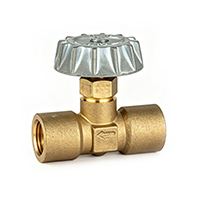
Rising and Non-Rising Stem Arrangements
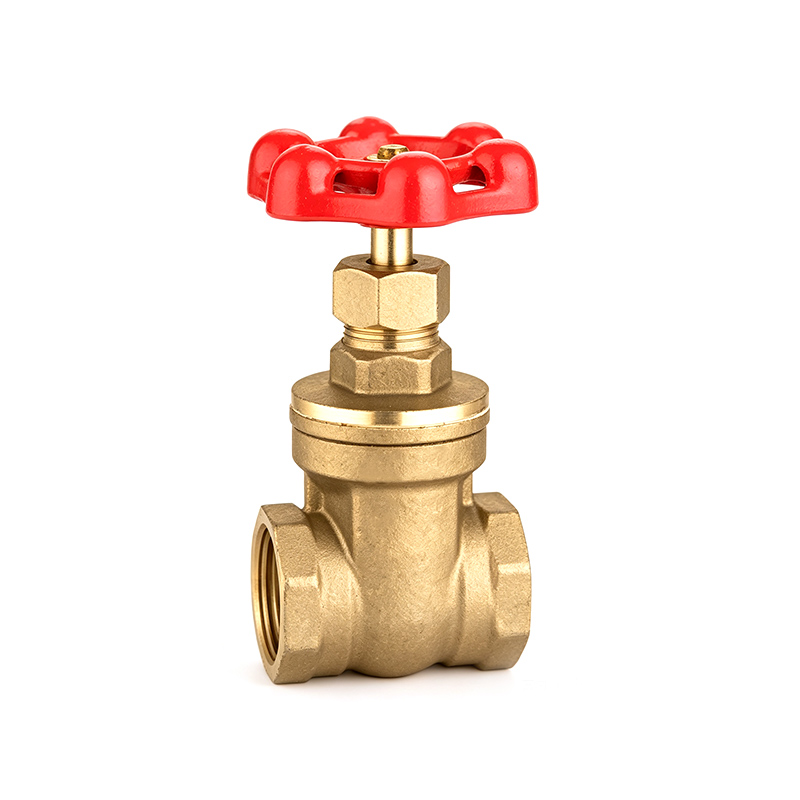
A rising stem moves upward as the valve opens, making its position visible during operation. This provides a clear visual indication, but the installation needs enough vertical clearance above the handwheel and bonnet.
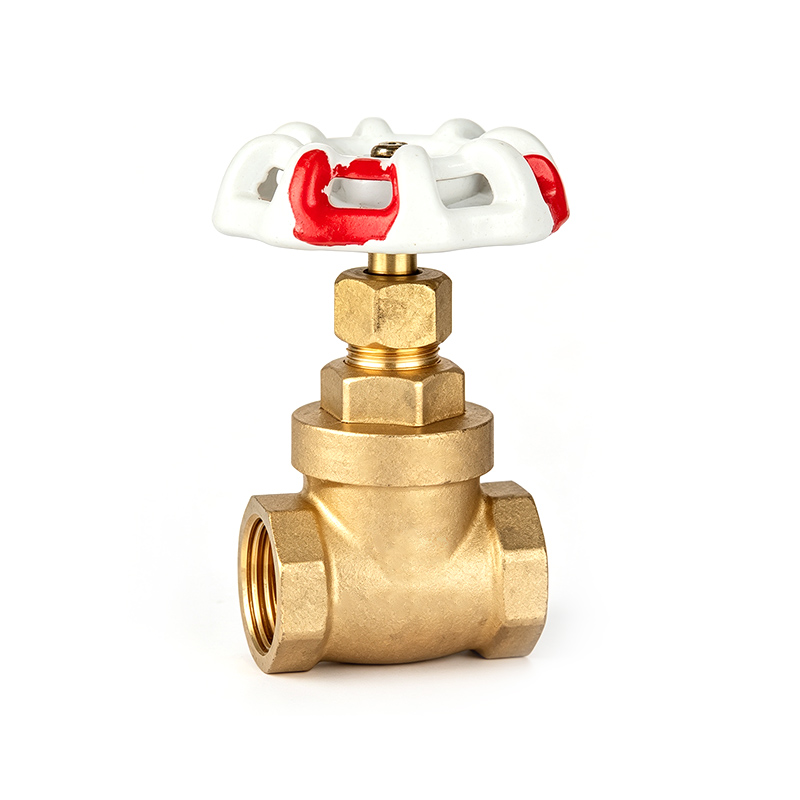
A non-rising stem remains within a more consistent external height as the gate moves. It can suit locations with limited overhead space, although the stem does not provide the same visible indication of movement. The choice depends on available clearance, access and operating practice. This distinction is common when a gate valve is installed in a restricted space.
Huazhou's range includes rising stem and rising/non-rising stem categories. A Gate Valve Factory supplying both arrangements can serve different installation conditions, but each model still needs to match the actual pipeline layout.
End Connections and Pipe Compatibility
Threaded ends are commonly used in smaller pipe assemblies. Flanged connections provide a bolted interface and can be useful where removal for maintenance is expected. Solder or socket weld ends are intended for compatible copper-pipe arrangements and require the appropriate joining process.
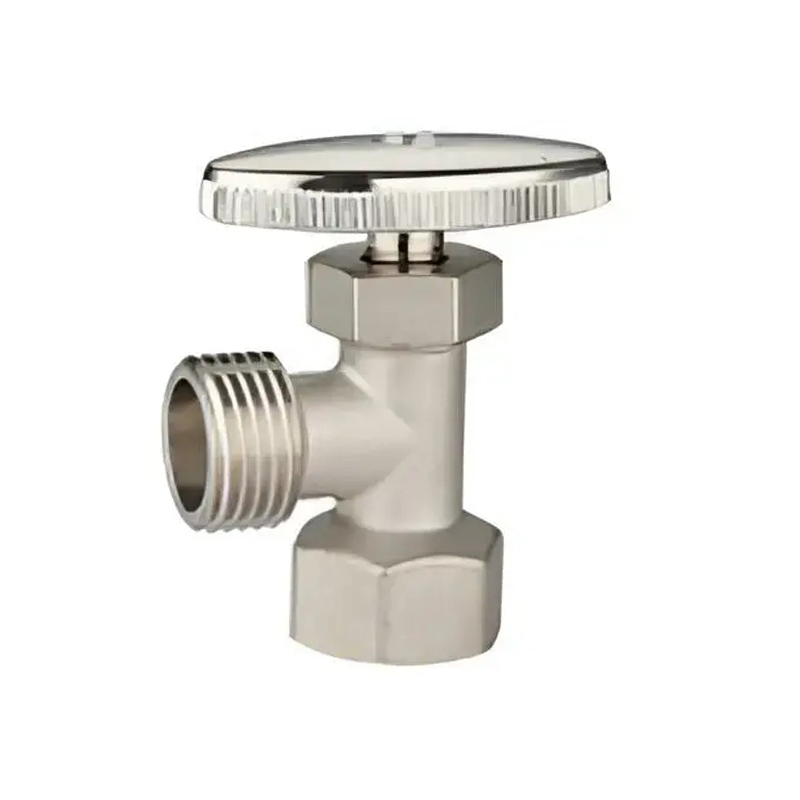
Male-thread models are a specific option within the threaded group. Their external threads need to match the female-thread components in the adjoining assembly; nominal size alone is not enough to confirm compatibility.
| Connection type | Main installation consideration |
|---|---|
| Threaded | Mating thread compatibility and tightening access |
| Male thread | Matching female-thread components |
| Flanged | Flange dimensions, bolt pattern and gasket arrangement |
| Solder/socket weld | Compatible copper pipe and suitable joining procedure |
The connection should be confirmed before ordering, since the unit must match the adjoining pipework. A Gate Valve Factory may offer the required nominal size, but the model will not fit correctly if its end connection differs from the existing pipework.
Brass and Cast Steel Have Different Applications
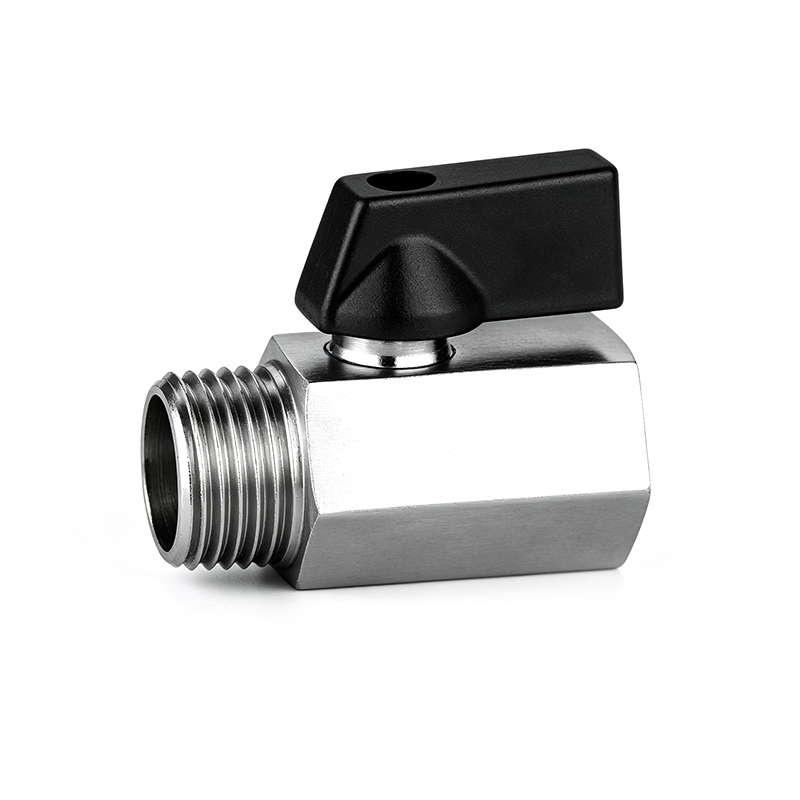
The range includes brass gate valves and a separate cast steel/heavy-duty series. Brass models cover mini, male-thread, threaded and solder/socket weld configurations, providing options for different connection styles and product formats.
The listed cast steel/heavy-duty model specifies water, oil and gas as media, a nominal pressure of 1.6 MPa, and a working temperature range of -10°C to 120°C. These ratings apply to that model only, not automatically to every valve in the category. Buyers should check each product's stated material, pressure rating, temperature range and permitted medium.
Dimensions Matter in Compact and Larger Installations
Mini brass gate valves are intended for smaller assemblies where installation space and connection size matter. Larger or heavy-duty models serve a different equipment context and must be assessed using their own dimensions and rated conditions.
When reviewing a Gate Valve, buyers can compare overall length, body height, handwheel clearance and connection dimensions with the available space. These checks help identify possible interference with nearby pipes, walls, brackets or equipment, while pressure and temperature suitability must be confirmed separately.
Details to Check Before Selection
A product review should cover material, nominal size, pressure rating, working temperature, compatible medium, stem arrangement and end connection. Where access is restricted, operating clearance and the maintenance approach also deserve attention. For a specific model, consult its drawing and product data rather than relying on the category name alone.
These checks help distinguish similar-looking Gate Valve models with different construction or installation requirements. Huazhou's range spans brass and cast steel options, threaded and flanged connections, welded ends and different stem arrangements. Buyers can compare each Gate valves against the conditions of the intended pipeline assembly.
Interested in cooperation or have questions?

Contact
-
 robin@yhhuazhou.com
hui@yhhuazhou.com -
 +86-576-87492687
-
 +86-13989660966
-
 Mei'ao Industrial Park, Longxi, Yuhuan City, Taizhou, Zhejiang Province, China
Products
- - Ball Valve
- - Gate Valve
- - Angle Valve
- - Stop Valve
- - Check Valve
- - Float Valve
- - Radiator Valve
- - Manifold
- - Bibcock
- - Pipe Fitting
- - Faucet
- - Basin Drain
QR Code
Copyright © Yuhuan Huazhou Machinery Co., Ltd. All Rights Reserved

TO TOP